
Blog
Soursop (Graviola): Nutritional Facts and Health Benefits

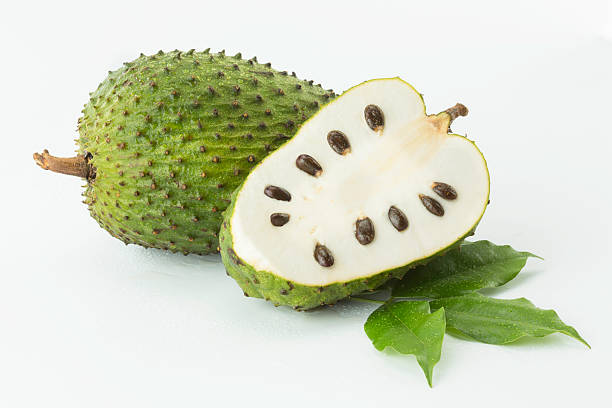
Soursop, a tropical fruit native to the Americas, is celebrated for its unique flavor and medicinal properties. Rich in vitamins, antioxidants, and bioactive compounds, it has been used traditionally to address various health concerns. Below is a detailed overview of its key facts and potential benefits.
Table: Soursop Facts and Benefits
| Category | Fact/Benefit | Description | Key Details |
|---|---|---|---|
| Key Facts | Origin | Native to tropical regions of the Americas. | Cultivated in Central/South America, the Caribbean, and Southeast Asia. |
| Scientific Name | Annona muricata. | Belongs to the Annonaceae family. | |
| Nutritional Profile | Rich in vitamin C, fiber, and potassium. | Per 100g: ~20mg vitamin C, 3g fiber, 278mg potassium, 66 calories. | |
| Flavor Profile | Sweet-tart taste with tropical notes. | Combines flavors of strawberry, pineapple, and citrus. | |
| Traditional Uses | Used in folk medicine for infections and inflammation. | Leaves, bark, and roots brewed into teas or poultices. | |
| Edible Parts | Flesh is consumed raw or in beverages; other parts used medicinally. | Seeds are toxic and avoided. | |
| Health Benefits | Antioxidant Properties | Neutralizes free radicals linked to chronic diseases. | High in vitamin C and acetogenins. |
| Immune Support | Boosts immunity through vitamin C. | Enhances white blood cell production. | |
| Anti-Inflammatory Effects | Reduces inflammation in conditions like arthritis. | Contains bioactive compounds (e.g., alkaloids). | |
| Anticancer Potential | Acetogenins may inhibit cancer cell growth. | Lab studies show promise; human trials needed. | |
| Digestive Health | Dietary fiber aids digestion and prevents constipation. | Promotes gut regularity. | |
| Antimicrobial Activity | Fights bacteria, fungi, and parasites. | Used traditionally for infections. | |
| Blood Pressure Regulation | Potassium balances sodium levels, supporting heart health. | Helps maintain healthy blood pressure. | |
| Stress & Sleep Aid | Magnesium content promotes relaxation and sleep. | May reduce anxiety and improve sleep quality. | |
| Skin Health | Vitamin C and antioxidants combat oxidative skin damage. | Supports collagen production and reduces signs of aging. | |
| Weight Management | Low-calorie, high-fiber fruit promotes satiety. | Ideal for balanced diets. |
Health Benefits
- Antioxidant & Anti-Inflammatory Properties
- Neutralizes free radicals linked to chronic diseases like heart disease and cancer.
- Reduces inflammation in conditions such as arthritis, as shown in animal studies.
- Immune Support
- High vitamin C content enhances white blood cell production and pathogen defense.
- Cancer-Fighting Potential
- Lab studies suggest acetogenins inhibit cancer cell growth (e.g., breast, leukemia).
- Note: Human trials are lacking, and extracts are not substitutes for medical treatments.
- Blood Sugar & Blood Pressure Regulation
- Lowers blood glucose in diabetic animal models and may improve insulin sensitivity.
- Potassium balances sodium levels, easing blood vessel tension.
- Digestive & Gut Health
- Fiber promotes regularity and may protect against ulcers.
- Antimicrobial Effects
- Extracts show activity against bacteria (e.g., Staphylococcus, oral pathogens) in test-tube studies.
- Skin & Eye Health
- Antioxidants like lutein protect against UV damage and age-related eye conditions.
Risks and Precautions
- Neurotoxicity: Excessive consumption (especially leaf tea or seeds) is linked to Parkinson’s-like symptoms.
- Drug Interactions: May enhance effects of blood pressure or diabetes medications, risking hypoglycemia or hypotension.
- Seed Toxicity: Contains annonacin, a neurotoxin—always remove seeds before consumption.
- Pregnancy/Breastfeeding: Avoid due to insufficient safety data.